Translate to: English | Español | Français

Welcome to eBird

Birding News and Features

eBird Annual Report 2008

December 22, 2008
eBird Annual Report 2008

Winter has set in here at the Lab as we bring to an end yet another great birding year. We'd like to take this opportunity to thank all of you for making eBird part of your everyday birding this year, and to extend our thanks to our coworkers who have worked hard behind the scenes all year to make eBird the ever-growing, forward-moving birding tool it has become. 2008 has been a very successful year for eBird. Thanks to your hard work we now gather over a million observations per month--and it's still just a drop in the bucket compared with what's possible! We've seen participation grow across the continent, users have become better-informed citizen-scientists, and a host of new developments have been launched that make it easier for birders to enjoy eBird to the fullest! In this report we highlight some of these important updates and set our sights on an even better 2009!

Introduction to Differences in Crossbill Vocalizations

December 22, 2008
Introduction to Differences in Crossbill Vocalizations

by Matt Young*

It can be quite challenging to differentiate and identify the calls of the White-winged Crossbill and the various “vocal types” of Red Crossbills. In order to find and identify crossbills, it’s essential to develop a familiarity with their flight call vocalizations. As one would expect, knowing when and where to look for crossbills is also quite important. For example, birds flying over are often the most vocal, and believe it or not, birds feeding atop a spruce or pine just 20 yards away can be fairly easily missed. When intently feeding, the sound most often heard is the very subtle crackling of the birds’ extracting the seed from the seedcoat. Also look for seedcoats dropping to the ground for hints to where they’re feeding.

Honduran Emerald Rediscovered in Western Honduras!

December 15, 2008
Honduran Emerald Rediscovered in Western Honduras!

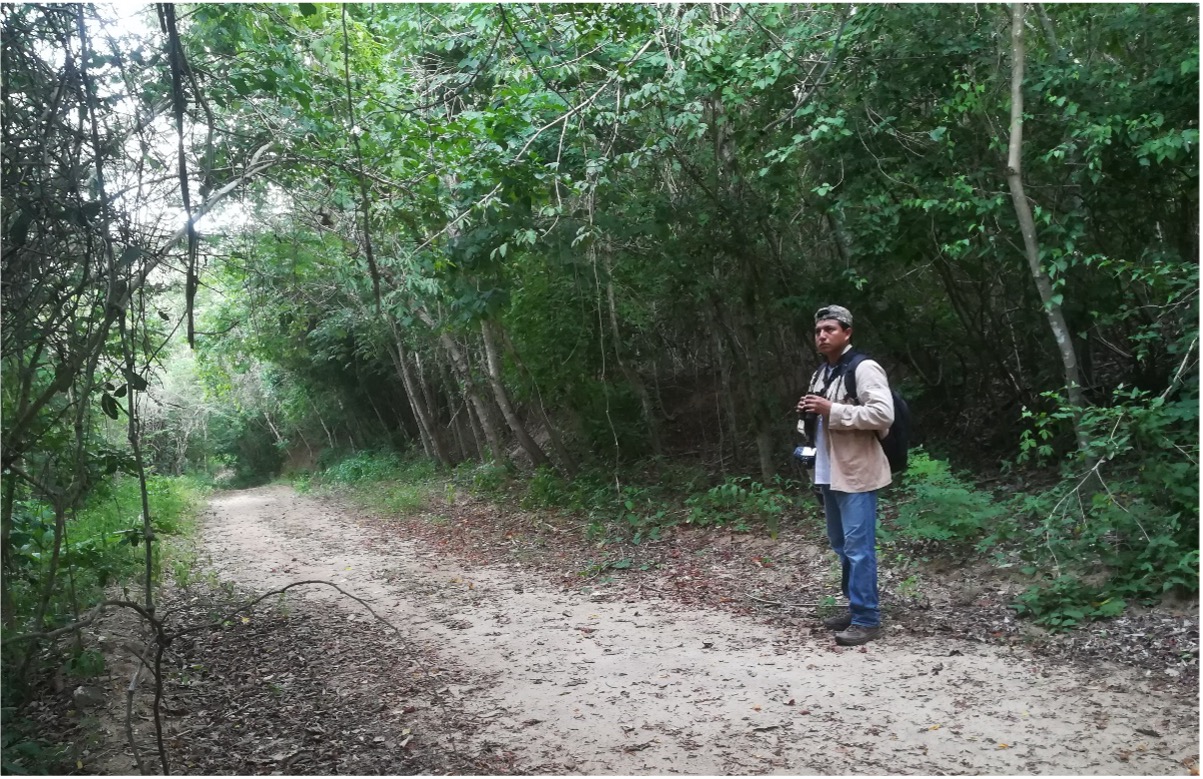
In November 2008, a team of American and Honduran researchers and conservationists traveled to western Honduras in search of the critically endangered endemic Honduran Emerald (Amazilia luciae) in the Department of Santa Barbara. The principal cause of its decline is habitat destruction, with approximately 90% of its original habitat lost, and the remaining pieces  occurring in isolated patches of arid thorn-forest and scrub of the interior valleys of northern Honduras.  Based on specimen data, the species was originally known to occur in four Honduran departments; Cortés and Santa Barbara in western Honduras, and Yoro and Olancho in northeastern Honduras.  Despite efforts to find the species in western Honduras, it has not been detected there since 1935. Because of its status as critically endangered and “Red Listed” by The International Union for Conservation of Nature (IUCN) and the fragmented nature of its habitat, the rediscovery of these additional populations is of major conservation importance.

eBird & Birds of North America Online

December 12, 2008
eBird & Birds of North America Online In appreciation for all those who have participated in the eBird effort for the past year, we are pleased to offer special full subscriptions to the acclaimed bird life history resource: Birds of North America Online. This comprehensive resource includes information on distribution, breeding, migration, habitats, and behavior for over 700 different species of birds that breed in Canada and the United States. The accounts include photos and audio selections for all species covered.

eBird Bar Charts Upgraded!

December 07, 2008
eBird Bar Charts Upgraded!

We are pleased to announce improvements to the eBird frequency histograms--or as they are more popularly known--the eBird bar charts. These charts represent how bird occurrence changes over the course of the year and are pulled directly from eBird data. Each month is broken down into four periods (each approximately 7 days). Then we calculate the percentage of checklists reporting a species, but only those that report all species. The wider green bars show the periods when a species is least likely to be missed, while the narrower green bars show when species is present (or sometimes present), but infrequently detected. It is possible to explore data by state, county, or Bird Conservation Region (BCR), a birding hot spot, a personal location...even your backyard! You can do this for all years, a range of years, or a single year! We also give pointers on how to PRINT the bar chart, a common request.

Document Actions

See All News and Features